
What is it to be a Bulgarian? Well, I guess there is no simple answer to that question. What makes a person to be a part of a nation is an inner feeling of pride and understanding of different traditions and behaviors embedded in the national psychology. And we might not be a rich country, but of traditions we have a lot!
The Bulgarian state was established in 681. During its many centuries of existence, the country managed to keep some of its pagan traditions, mix them with Christian rituals, and create a folklore, fit for the high-spirited, feisty and brave inhabitants of its lands. As a true Bulgarian, I am happy to present to you some of our unique traditions that cannot be found anywhere else in the world.
1. Survakane

This is a tradition reserved for the first day of the New Year and dates back to pagan times, where its roots lay. Basically, “survakane” is a ritual in which the youngest member of a family lightly hits the elders on the backs with a special stick (survachka), while reciting a poem for good luck and prosperity. As a reward, candies or small amounts of money are given to the child.
I remember this being one of my favorite times when I was little. It was not only because of the money received, but because I loved creating my own survachka. Traditionally, this is a branch of dogwood tree, that is decorated with fruits, colorful paper, coins, or even popcorns. It is believed that hitting somebody with it on the first of January will transmit the life force of the tree and its magical powers to the person being hit. You may try it for yourselves next year!
2. Kukeri

This ancient ritual to drive away evil spirits is probably Bulgaria’s most iconic one and is performed around Cheesefare Sunday. While many countries have carnival right before the Easter Lent, Bulgarians have span the tradition and made it their own with the unique costumes they wear. They are made of animal pelts, the masks should be wooden and scary, and huge bells are worn on the belts.
The Kukeri dance and jump on the streets as a part of complicated ritual intended to dispel the evil spirits, which otherwise may bring ill fortune to the community. They are also known to deliver health, happiness and bountiful harvest wherever they go. The most popular place to see the Kukeri is the Surva Festival in Pernik, which takes place in the end of January or beginning of February every year.
3. Martenitsas and Grandma Marta

If you are following me on Instagram, you probably already know about this one. In Bulgarian folklore, the month of March marks the beginning of spring and we have a very special tradition to celebrate that. “Martenitsas” are given to friends and family in order to bring them good health and prosperity for the rest of the year.
Nowadays, they come in many different shapes and sizes from brooches to bracelets and even earrings. But one thing about the Martenitsa always remains the same – it should be red and white. Red symbolizes health, blood and fertility and it is even the traditional color of the bride’s veil. White stands for strength, purity and happiness.
It is customary to wear your Martenitsa until you see a stork or a swallow. But it is bad luck to throw it away – you should put it on a blooming or green tree to attract fortune!
If you think this is the only custom we connect with spring, you are mistaken! We also have “Baba Marta” which literally translates to Grandma March. In Bulgarian folklore, the month of March is seen as a grumpy old woman, who constantly changes her moods. When she is happy, the weather is nice and sunny. But beware – if you upset her, it suddenly becomes cold and starts to snow. So we definitely want to be on Grandma March’s good side!
4. Fire Dancers – Nestinari
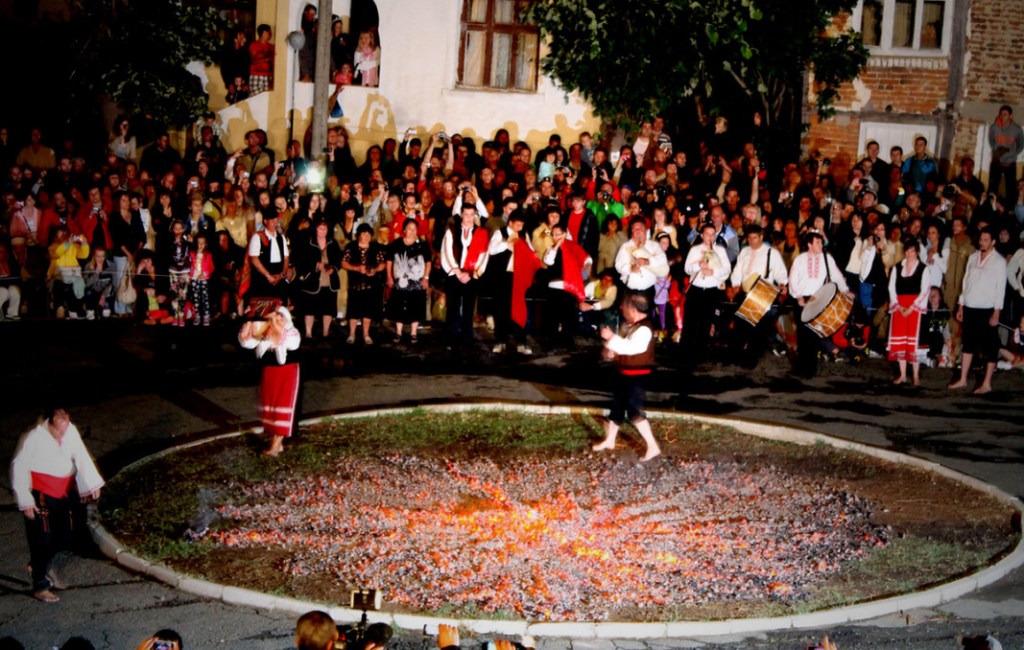
If you are perplexed by the strange word “Nestinari”, just wait to read what they do! This is the Bulgarian term for people who walk barefoot on burning embers. The ritual itself is called “Nestinarstvo” and was originally performed in several villages of Strandzha Mountain, near the Black sea cost, in the beginning of June. It is a strange mixture of pagan rituals and Orthodox believes, that is considered to bring well-being, health and fertility. It is also the perfect time to make predictions about the future.
Scientists believe that this tradition was born as a custom dedicated to the Sun, where the embers symbolized its warmth and light. When Bulgarians accepted the Christianity, it had to change in order to survive. That is why the Nestinarstvo became associated with St. Constantine and Helen, who took the role of its patron saints.
Once, nestinari was a hereditary title that was passed over the generations. They were considered guardians of life and had a whole secret calendar of rituals, performed throughout the year. That all got lost, when the practice was banned by the Communists, and only a few parts of it remained.
If you are wondering where could you see the fire dancers today, it’s easy – a lot of traditional Bulgarian restaurants have them as an attraction for the tourists. If you want to experience the Nestinarstvo in its purest form, you need to visit the town of Bulgari near the Black sea coast on 3rd June – the dance managed to survive there in all its splendor, and – trust me – it is worth to see!
5. Christmas Eve
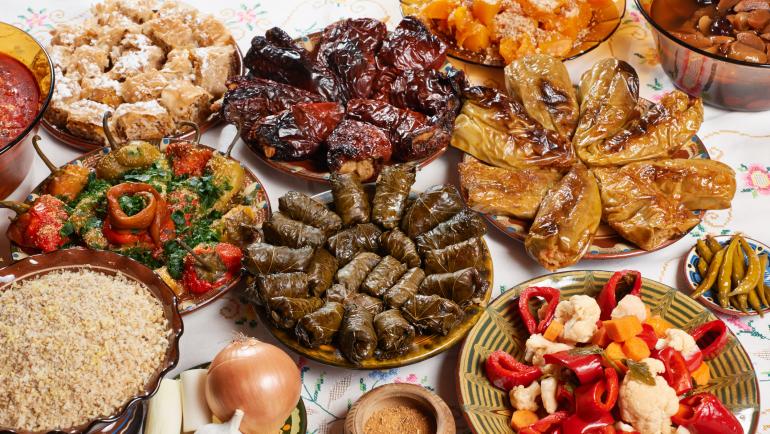
I know this one is celebrated in a lot of countries, but us, Bulgarians, had managed to put our own unique spin on it. On Christmas Eve, or as we call it – Budni Vecher, you are not supposed to eat meat. Your table should be served with an odd number of dishes, but it is best if they are 7 or 9 – those numbers are considered sacred.
If you have a fire place at home, you should not let the fire burn out. According to the folklore, it is the symbol of the life in the house and the birth of Jesus, so one designated person should stay awake all night in order to guard it.
Another strange belief states that this is the night when the dead visit the household. There should be an empty seat for them at the table. Once you are seated for dinner, you are not supposed to stand up – this will make the hens to lay on the eggs and bring you a lot of hatchlings. After everyone is finished with the food, they are supposed to leave the table together and not to clear away the food – in order for the spirits to be able to feast.
Those are just a handful of our amazing traditions. Bulgarians may be many things, but we are definitely rich on folklore!
P.S. Which is your favorite tradition from your country?
Photos: Internet
 Confusion in Wonderland